
1. Identify the pattern
Discuss when it hurts, what changed, and what makes the discomfort better or worse.
Upper West Side heel pain care
Get a focused evaluation in Manhattan to understand whether pain under or behind the heel may involve the plantar fascia, a tendon, a nerve, an injury, alignment, or another cause.

A clearer answer for heel pain
Some people feel a sharp pain with the first steps of the morning. Others notice an ache after standing, walking, running, or changing shoes. Pain behind the heel may follow a different pattern from pain under the heel.
Because the symptoms overlap, the website should not decide whether the problem is plantar fasciitis, a heel spur, Achilles irritation, nerve pain, or an injury. That distinction belongs in the evaluation.
Helpful to bring: the shoes you wear most, orthotics or inserts you already use, and relevant imaging or records you already have.
What an evaluation gives you
Leave with options based on your diagnosis, activity, footwear, and goals—not a one-size-fits-all recommendation.
Discuss when it hurts, what changed, and what makes the discomfort better or worse.
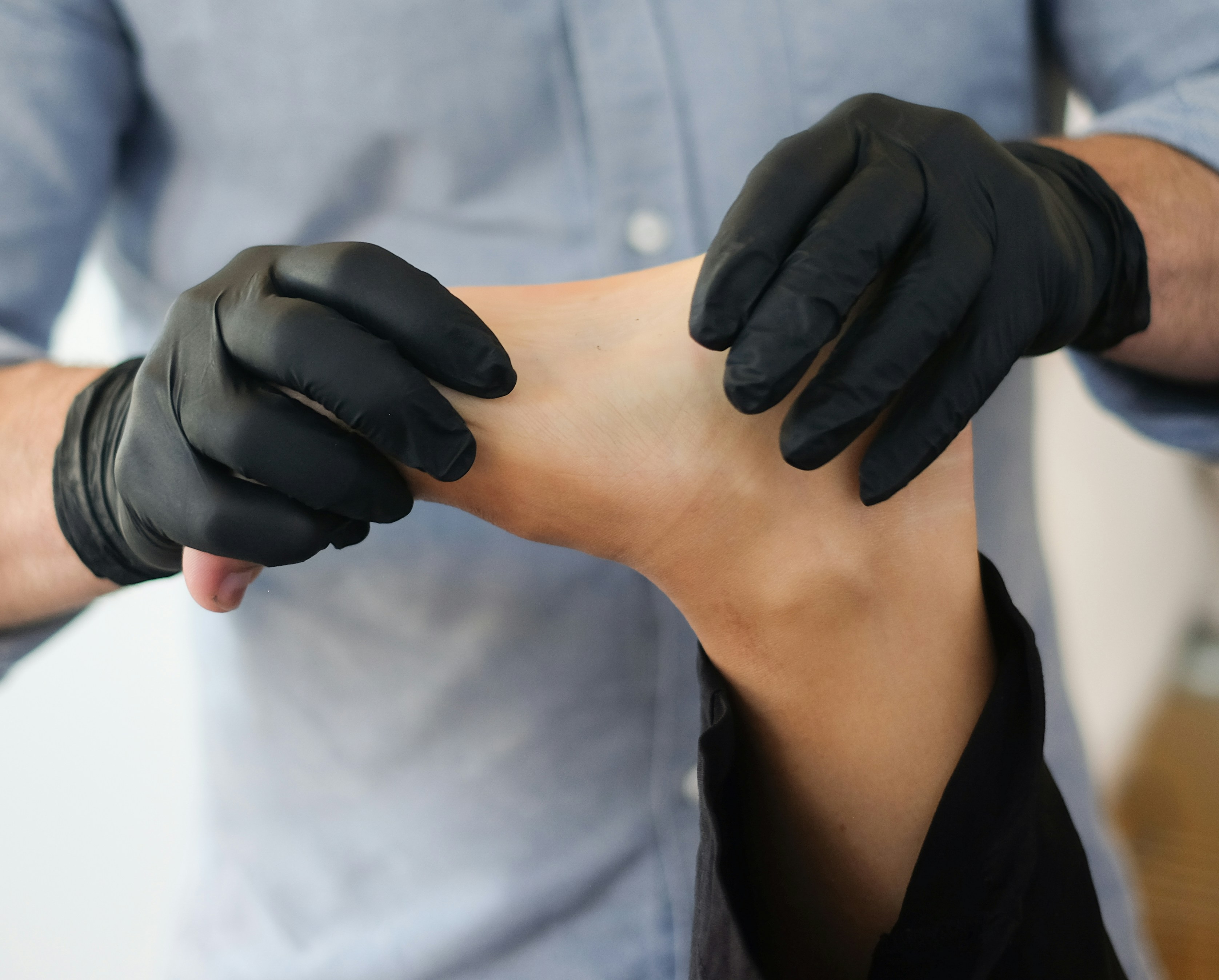
Look at the painful area, foot structure, range of motion, gait, and relevant footwear.

Review appropriate conservative care, support, in-office treatment, imaging, or referral.
Follow-up depends on the diagnosis, response, activity goals, and treatment selected.
Upper West Side heel pain FAQ
Use these questions to understand when an evaluation may help and what to expect. Your diagnosis and treatment plan still depend on an in-person examination.
Request an evaluationHeel pain can come from the plantar fascia, Achilles tendon, a bursa, the heel’s cushioning tissue, a nerve, a stress injury, or another problem. The location and timing of the pain help narrow the possibilities, but an examination is needed to identify the likely cause.
First-step pain is commonly associated with plantar fascia irritation, but that symptom alone does not confirm a diagnosis. Dr. Rottenberg also considers where the pain is located, how it changes with activity, foot mechanics, footwear, and other examination findings.
Consider an evaluation when pain keeps returning, changes the way you walk, limits work or exercise, or does not improve with reasonable home care. Call the office first when pain follows a recent injury, you cannot bear weight comfortably, or diabetes is accompanied by a wound or skin breakdown.
The visit usually begins with when the pain started, its exact location, activity changes, prior treatment, and relevant health history. The examination may include the heel and ankle, range of motion, strength, gait, alignment, and the shoes or inserts you use most often.
Not every patient needs imaging. Dr. Rottenberg determines whether imaging would add useful information based on the examination, the duration and pattern of symptoms, injury history, and response to previous care.
Options depend on the diagnosis and may include activity or footwear changes, stretching or rehabilitation, padding, support, custom orthotics, medication guidance, an in-office treatment, or referral when appropriate. The goal is to match the plan to the cause rather than apply the same treatment to every heel.
That depends on the suspected cause and how your symptoms respond to activity. If an activity increases pain or changes your gait, reduce or modify it until you receive individual guidance rather than repeatedly pushing through worsening symptoms.
Recovery time varies with the diagnosis, how long symptoms have been present, daily activity, health history, and the treatment selected. Your evaluation should establish realistic checkpoints for improvement and when the plan should be reassessed.
Get back to more comfortable walking
The right plan depends on the actual cause, your activity, footwear, health history, and examination.
Upper West Side podiatry resources
Why heel discomfort can feel different at rest—and why overlapping symptoms deserve a closer look.
Read articleA practical look at lingering pain after changes in activity, footwear, and walking surfaces.
Read article
What hard pavement, long distances, and everyday footwear can mean for heels, arches, and comfort.
Read articleHeel pain care in Manhattan